Structural Calculations for ISO Container Equipment Structures
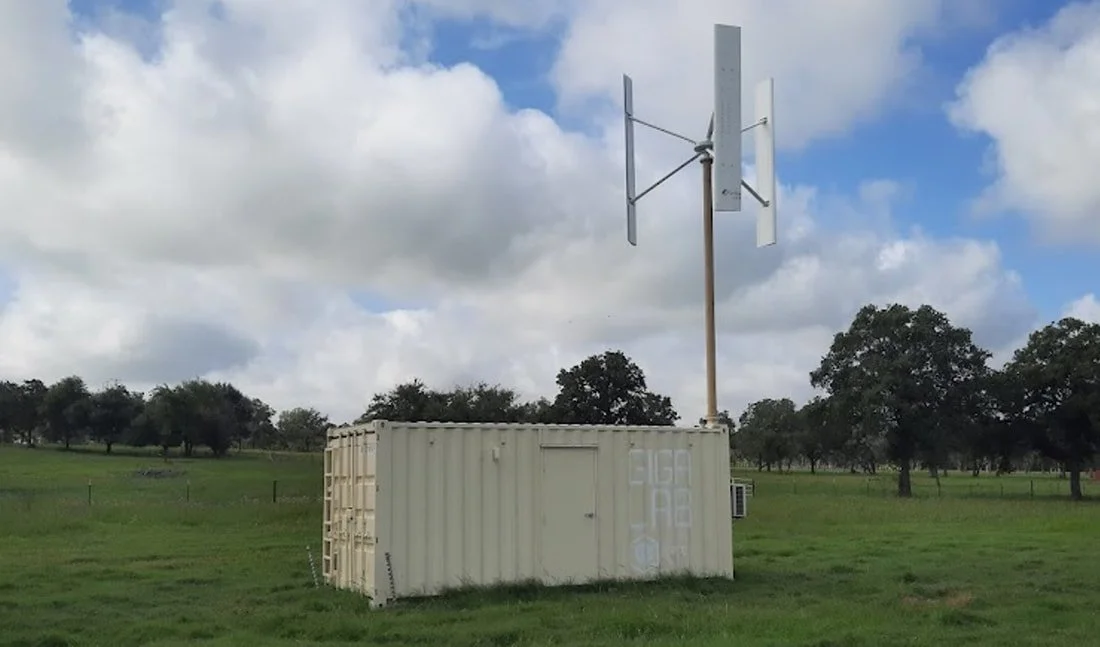
Image 1.0: 20 ft ISO Container with wind turbine masts.
ISO containers are often used for more than storage or shipping. In many projects, they become part of a larger structural system that supports equipment, framed assemblies, or specialty infrastructure.
This project is a good example.
Here, an ISO container was used as the base for a mounted wind energy system and related equipment. While the final installation may appear simple, the structural demands are not. Once equipment is added above the container roof, the container must be evaluated for how it performs under real loading conditions.
That is why structural calculations are important.
Why Structural Calculations Matter
When an ISO container is modified to support new equipment, the original load path changes. Structural calculations help determine how those new forces move through the container and where additional review or reinforcement may be needed.
For this type of project, engineering review may include:
wind forces on elevated equipment,
load transfer into the roof, walls, and corner posts,
localized reinforcement at support points,
overall stability under combined loading,
and serviceability concerns such as deflection or structural response.
A concept may look workable, but structural calculations help confirm whether it can perform reliably in the field.
The Importance of Wind Analysis
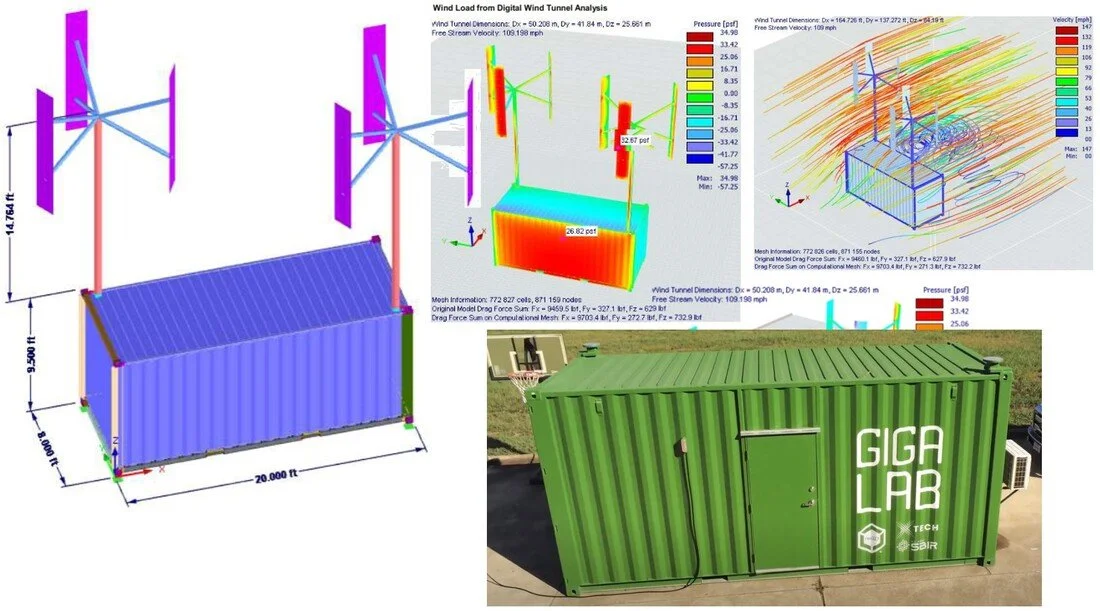
Image 2.0: Wind analysis on modified container structure
Wind was a major factor in this project.
As shown in the analysis images, wind does not act evenly across a modified container structure. Elevated equipment can create added drag, uplift, and overturning effects that increase structural demand.
This becomes especially important when:
equipment extends above the roofline,
the site is exposed to open terrain,
or long-term performance under environmental loading matters.
Wind analysis helps identify these effects and supports a more informed structural design.
ISO Containers Are Strong — But Modifications Change the Design
Shipping containers are strong, but they were originally designed for transportation and stacking loads. Once new rooftop systems, openings, framing, or equipment supports are added, the structure is no longer behaving the same way.
The key question is not simply whether the container is strong.
The real question is whether the modified container structure can safely resist the demands created by its new use.
How MSC Supports ISO Container Projects
At MSC, we approach ISO container projects as complete structural systems, not just steel boxes. Our goal is to help clients understand load paths, reduce uncertainty, and move forward with practical engineering solutions.
For modified container structures, structural calculations help support:
code-informed review,
realistic structural behavior,
practical constructability,
and confidence in the final design.
Final Thoughts
This project shows how structural calculations help turn a modified ISO container into a reliable platform for field-deployed equipment.
With the right engineering, an ISO container can become much more than an enclosure. It can become a dependable part of a larger structural solution.